










Signs Your Hearing Aids Need Professional Repair Services
You put your hearing aid in this
morning and you feel that something is off- the sound is weaker, there is a
strange crackling noise or complete silence.Before you assume the worst, take a
moment. Some problems have simple solutions. Others require professional
attention. Knowing the difference can save you time, money, and frustration.
This guide outlines the common signs
that your hearing aids need professional repair, what you can try at home first,
and when to call your audiologist.
Quick Fixes to Try at Home First
Many issues resolve with simple
steps.
Check the battery: A nearly depleted battery often
causes weak or distorted sound. Install a fresh one.
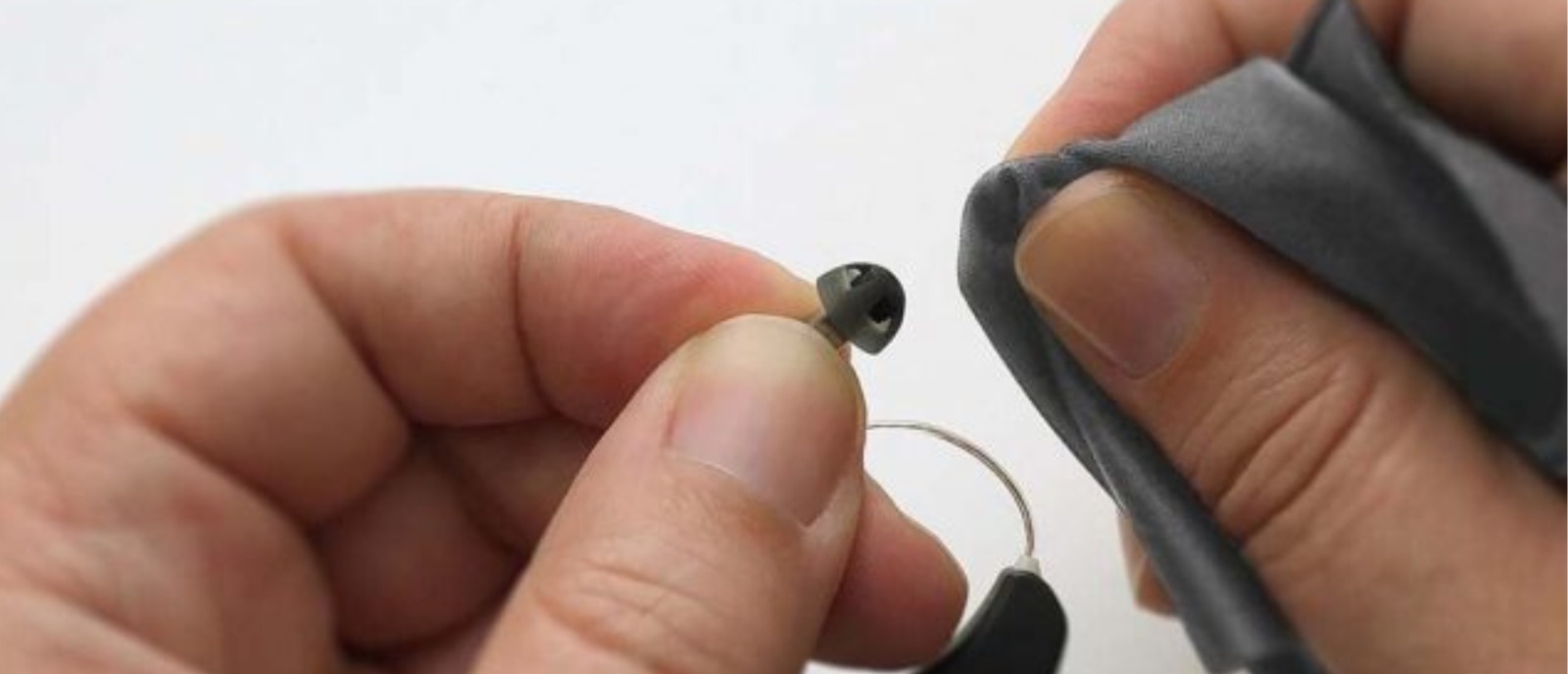
Clean the device: Muffled sound and feedback are most
commonly caused by earwax. Use your cleaning brush and wax pick.
Restart your hearing aid: Open the battery door, wait ten
seconds, and close it again. For rechargeable models, place them in the charger
briefly then remove them.
Inspect the dome or earmold: Is it clogged or loose? Clean
it or replace it.
Verify the volume setting: Check your app or the physical
volume control.
If none of these work, proceed below.
Read More : How to Care for Your Hearing Aids
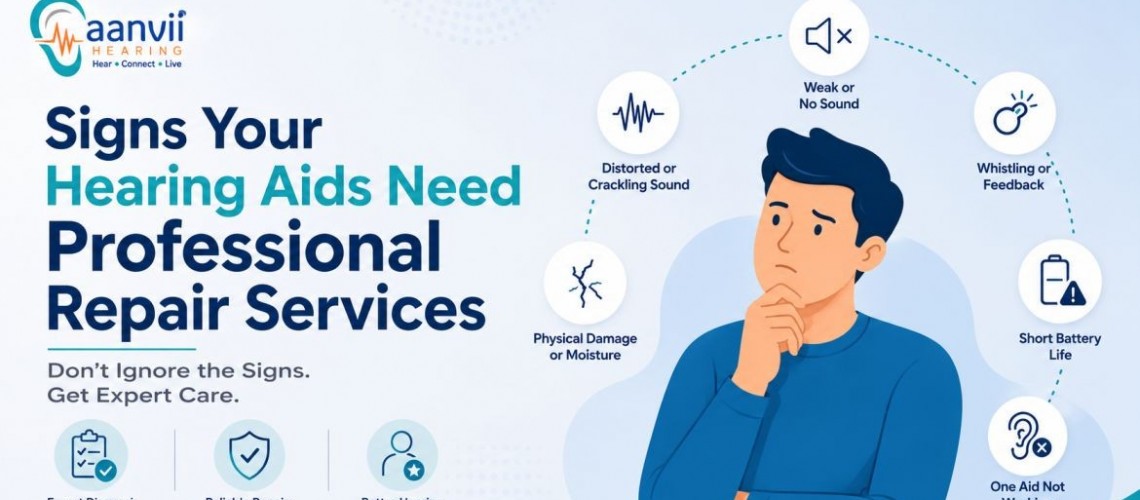
Sign #1: Intermittent or Cutting Out Sound
The hearing aid works for a while,
cuts out, then comes back.
Intermittent sound typically
indicates a faulty battery connection, moisture inside the device, or a loose
internal wire.
What you can try at home: Clean the battery contacts with
a dry cloth. Ensure the battery door closes firmly. Leave the device in a
drying jar overnight.
When to seek help: If the problem persists,
consult your audiologist. Loose internal connections need professional
soldering.
Sign #2: Distorted, Static, or Crackling Sound
Instead of clear sound, you hear
fuzzy noise or crackling. The device is working, but poorly.
Distortion often means dirt or
moisture has reached internal components. It can also indicate a failing
receiver.
What you can try at home: Clean the device thoroughly.
Change the wax guard. Use a drying jar overnight.
When to seek help: If distortion continues, the
receiver may be damaged. Your audiologist can replace a receiver quickly.
Sign #3: Weak or Muffled Sound at Full Volume
You increase the volume to maximum,
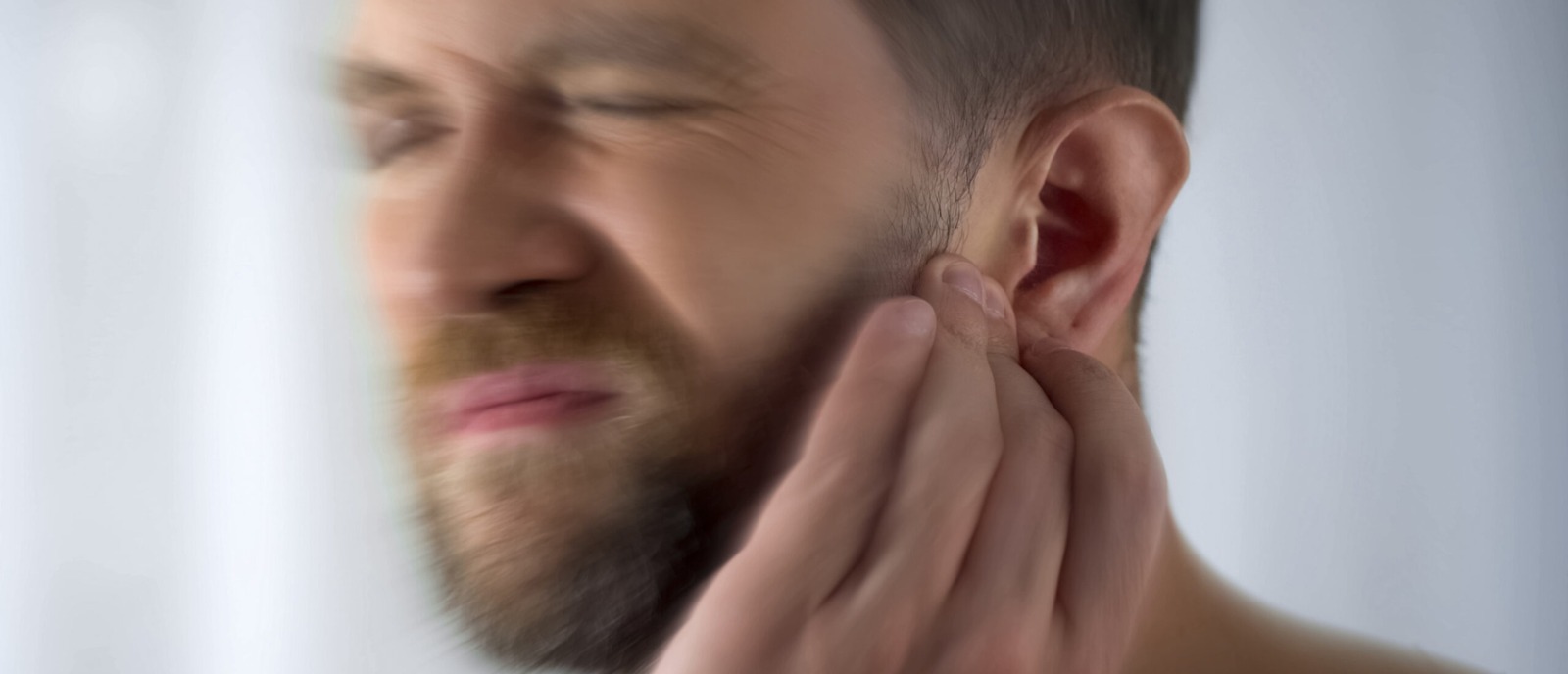
but everything still sounds distant or muffled.
The cause is almost always earwax
that has gotten past the wax guard and into the receiver.
What you can try at home: Change the wax guard first.
Gently brush the receiver opening. Do not insert sharp objects.
When to seek help: If a fresh wax guard and basic
cleaning do not help, the receiver needs professional cleaning or replacement.
At Aanvii Hearing, we have specialised tools for this.
Sign #4: Persistent Whistling or Feedback
Occasional whistling when you hug
someone is normal. Constant whistling when sitting still is not.
Feedback can result from a loose
dome, improper seating, a cracked tube, or an internal issue.
What you can try at home: Remove and reinsert the device.
Ensure a snug fit. Try a larger dome size. Inspect for visible cracks.
When to seek help: If whistling continues, visit
your audiologist to determine the cause.
Sign #5: Visible Physical Damage
Examine your hearing aids for cracks
in the casing, a battery door that does not close properly, a loose or torn
receiver wire, or moisture inside the battery compartment.
What you can try at home: Nothing. Do not use tape, glue,
or attempt to bend parts back into place.
These repairs require professional
tools and genuine replacement parts. Your audiologist can assess whether repair
is worthwhile.
Sign #6: Significantly Shortened Battery Life
You used to get five days from a
battery. Now you get two or your rechargeable devices die by evening.
Short battery life can mean aged
batteries, corrosion on contacts, moisture inside, or internal failure.
What you can try at home: Start with fresh batteries.
Clean the battery terminals with a dry cloth. Use a drying jar overnight.
When to seek help: If battery life does not
improve, your audiologist can run diagnostics.
Sign #7: One Hearing Aid Stops Working Completely
One device works perfectly. The other
is completely silent.
Since one works, you know the
batteries and charger are fine. The problem is isolated.
What you can try at home: Swap the battery from the
working side. Clean the non working device thoroughly.
When to seek help: If nothing helps, the device
needs professional attention. Your audiologist can often repair just the one.
Is Repair Worth the Cost?
Here is a practical guideline.
If your hearing aids are less than
three years old, repair is usually worthwhile. The cost is modest, and the
devices have many years left.
If your hearing aids are five years
or older, compare the repair cost to a new device. If repair exceeds half the
cost of replacement, consider upgrading. Newer technology will sound better and
last longer.
At Aanvii Hearing, we prioritise your best interest and never push unnecessary repairs.
Also Read: Latest Advancements in Hearing Aid Technology in 2026
When to Schedule Professional Service
Do not wait until your hearing aids
stop working completely. Schedule a service appointment if you experience any
of the following.
Persistent distortion or crackling
after cleaning. Weak sound that does not improve with a fresh battery. Constant
whistling despite adjusting the fit. Visible cracks, damage, or moisture inside
the device. One device completely dead while the other works.
At Aanvii Hearing, we offer professional repair services at all 87+ clinics across India. Our audiologists diagnose problems quickly and present your options clearly.
Act Early to Avoid Larger Problems
Hearing aids face constant exposure
to wax, moisture, sweat, and daily wear. Problems will inevitably arise.
The key is catching issues early. A
minor repair today costs a modest amount. Ignoring the problem can lead to
complete device failure and a significantly larger expense.
Learn the warning signs. Attempt the
simple fixes at home. And when those do not work, trust your devices to a
professional.
Need professional repair for your
hearing aids? Call 96 5839 5839 or visit www.aanviihearing.com to find the Aanvii Hearing clinic near you.
Do not let a small problem become a
big one.
