








How to Care For Your Hearing Aids

You have invested in better hearing.
Now, how do you make sure your hearing aids last as long as possible?
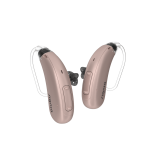
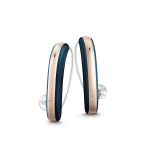
Your Hearing Aids sit behind your
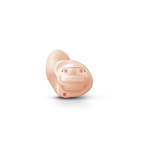
ears or in ear canal every day aiding you to hear effortlessly. But in doing so
they are exposed to moisture, wax, dust and sweat. Such environmental factors
can cause wear and tear of your device. At our clinics, we see patients whose
hearing aids have lasted for years as they took good care of them, we also see
devices that stop working early due to neglect.
This guide walks you through simple
habits to protect your investment.
Why Daily Care Matters
Your hearing aids live in a warm,
moist environment filled with earwax. These three things are the natural
enemies of any electronic device. Without proper care, you may experience
muffled sound, whistling, frequent battery drain, or complete device failure.
The good news is that preventing these problems takes only a few minutes each
day.
Daily Habits (Five Minutes Every Evening)
.jpeg)
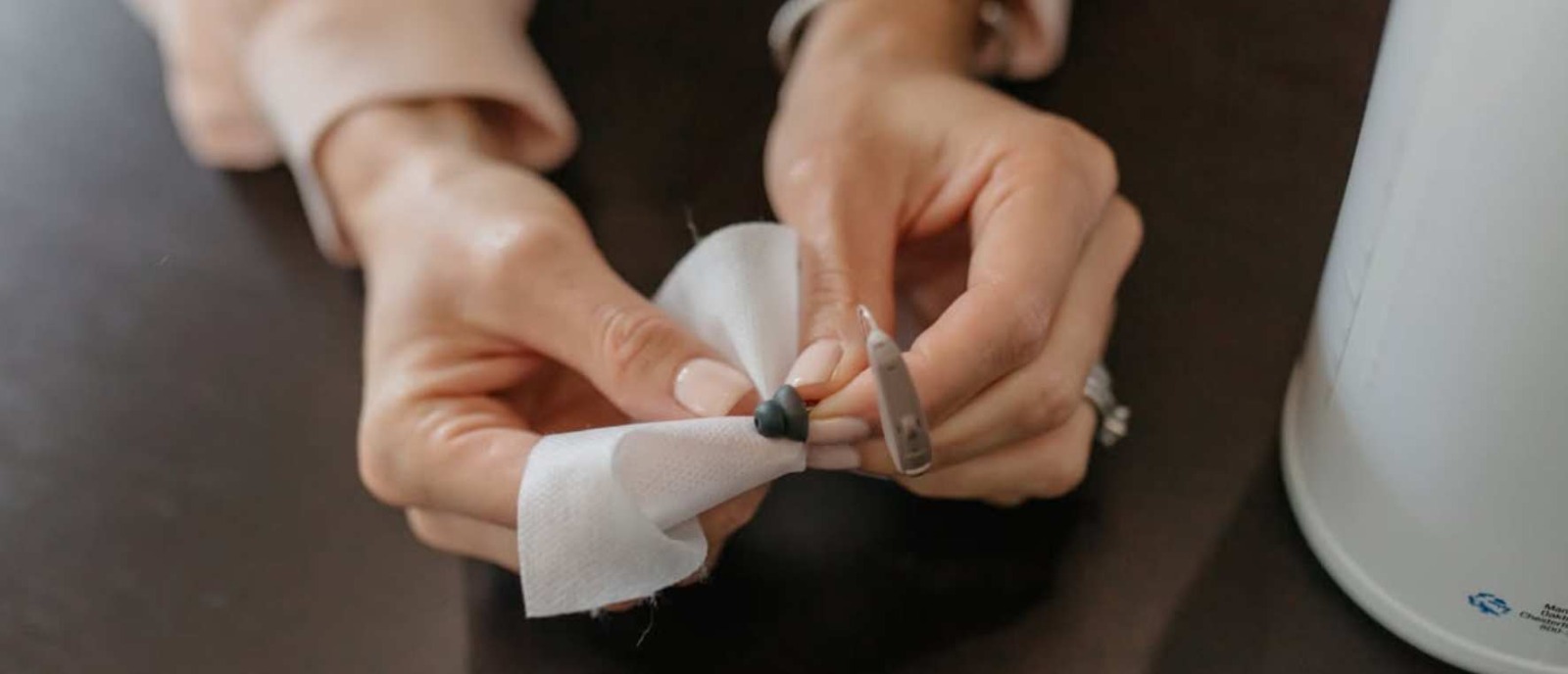
Before you go to bed, carefully clean
surface of each aid with a soft, dry cloth. Pay attention to any nooks and
crannies where wax could gather, as well as the microphone holes. Paper towels
and wet wipes can scrape or add moisture, so only use a dry cloth.
At night, fully open the battery door. This prolongs battery life and lets
trapped moisture out. Every night, put your rechargeable hearing aids in their
charging case. Keep the case open for an hour before closing it so moisture can
evaporate.
Check if the tip of your hearing aid has any visible wax, if it is present, then gently remove it with a proper cleaning tool provided by your audiologist. Never use sharp objects like pins, toothpicks or paper clips, as these can permanently damage the receiver inside your device.
Also Read: Do you have Mild-to-Moderate Hearing Loss? Signs, Tests & Solutions
Weekly Habits (Ten Minutes a Week)
Most modern hearing aids have small
wax guard, this guard prevents earwax from reaching the internal components of
the device. These wax guards are suggested to be changed nearly after every 3
months or whenever you notice a muffled or reduced sound quality.
If you use rechargeable hearing aids,
the charging pins and case can collect dust. You should unplug the case and
wipe the insides with a dry, soft cloth, check the pins for debris, and leave
the case open for ten minutes to air out.
For BTE (Behind the ear) models, inspect for any cracks, discoloration or stiffness of the thin tube. Check that the soft silicon tip is also clean and is firmly attached to the device. Do not wash or soak the thin tubes in water after seeing discolouration, as this can get lead to the water getting trapped inside and affecting the sound quality of your device.
Things and Activities to Avoid while wearing a Hearing Aid
Do not wear your hearing aids while
showering or going for a swim. Water can lead to irreversible device damage.
Remove them while visiting a saloon, as you could be subjected to hair wash at
the saloon.
Do not apply hairsprays or gels while
using hearing aids near the ears. The chemicals can clog the microphones and
may damage the surface of the device. To use such products, first remove your
hearing aids, wait for the applied products to dry and then put you hearing
aids back to work.
Do not store your hearing aids in
cars or in direct sunlight, as direct exposures to high temperature for a
prolonged time can cause damage to the protective coating, warp plastic
components and damage batteries.
Avoid using Alcohol wipes and
cleaning Solutions as some of them might cause damage to the hearing aid
material. Only use a dry, soft cloth or tools specifically designed for cleaning
the hearing aids.
Battery Care Tips
For non-rechargeable hearing aids, remove the small sticker only when you are ready to insert the battery. Once removed, the battery activates and starts draining. Wait two minutes after removing the sticker before closing the battery door — this gives the battery time to fully activate for better power and longer life. Store batteries at room temperature. Do not keep them in the refrigerator.
Signs You Need Professional Help
.jpeg)
Even with excellent care, problems sometimes arise. Contact your audiologist if you notice weak or distorted sound, whistling that worsens with volume, a device that stops working completely, physical damage like a cracked casing, or sound that cuts in and out. Do not try to fix these problems yourself. Opening a hearing aid at home almost always voids the warranty.
Taking care of your hearing aids
takes less than five minutes a day. Wipe them every night. Open the battery
door. Check for wax. Place rechargeable in their case. That small investment of
time can add years to the life of your devices.
Read more: Hearing loss in India 2026: Key Causes, Latest Statistics and Prevention Tips
Book an appointment now. Call 96 5839 5839 or visit www.aanviihearing.com
