









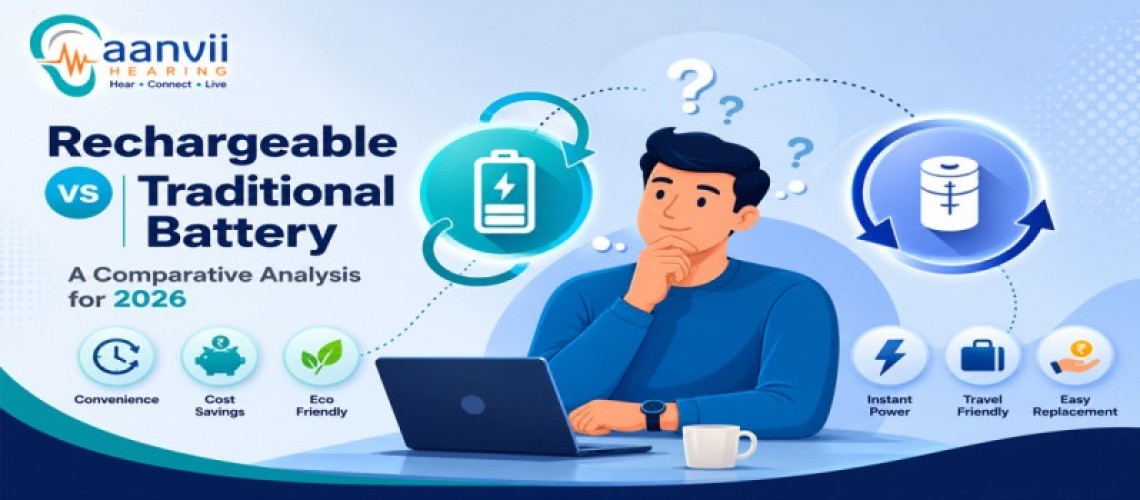
Rechargeable vs Traditional Battery Hearing Aids: A Comparative Analysis for 2026
Selecting a hearing aid involves considerations
based on your lifestyle, preference, technology and hearing loss. One of the
most significant decision a user faces while choosing hearing aid is whether to
go for rechargeable devices or those powered by traditional disposable
batteries. Neither option is superior, the optimal choice depends on the needs
of the individual.
This analysis examines both the options across different
key parameters like cost, convenience, battery life, durability, lifestyle and
environmental impact. The information below reflects the current market and
technological capabilities as of 2026.
Operational Principle
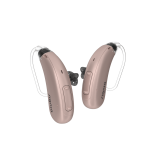
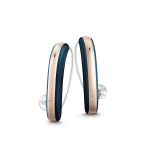
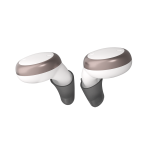
Rechargeable hearing aids are powered by integrated
lithium ion batteries, same as those found in mobile phones and other portable
electronic devices. They come with a charging case or charging dock for
recharging these devices. User can place the devices in the charging dock or
case and get the batteries replenished fully overnight. The following morning,
devices are ready for a full day of
operations without any additional action required. No power level uncertainty
as the battery can be tracked with mobile application. No battery purchases
again and again.
Traditional battery hearing aids operate on zinc
disposable batteries. These batteries are available in different sizes like 10,
312, 12 and 675. The batteries come with an adhesive seal which protects the
battery from discharging before the intended use. Removal of this seal
activates the battery and initiates power delivery. A new zinc battery
typically provides power for 4 to 14 days, depending on the battery size and
the user’s reliance on power intensive features. Once the power is completely
depleted the battery must be discarded and replaced with a new one.
The Convenience
Factor
Rechargeable hearing aids are almost effortless. You place them on the charger at night and take them off in the morning, that’s it. No hunting for batteries, No struggling with tiny battery doors and No wondering if you have enough power left for the evening. Many users tell us that switching to rechargeable felt like getting rid of a small daily chore. It just simplifies everything.
Traditional batteries require more attention. You need to keep spare batteries with you. You need to remember to change them every few days. If you wait too long, your hearing aids die at the worst possible moment, like in the middle of an important conversation. That said, some people actually prefer this. They like knowing they can pop in a fresh battery instantly and get full power, no waiting for a recharge.
For seniors or anyone with dexterity issues, rechargeable is often the better choice. Opening those tiny battery doors and handling those minuscule cells can be genuinely difficult for people with arthritis, trembling hands, or reduced vision. A charging dock removes that struggle completely.
Battery Life:
How Long Do They Last?
Rechargeable hearing aids
typically give you 16 to 30 hours of use on a full charge. That is easily enough for a
full day, even if you do some streaming. Most manufacturers recommend charging
overnight. If you ever need a quick boost, a 30 minute charge often delivers 4
to 5 hours of emergency power.
The lithium-ion batteries inside these devices are
built to last about 4 to 5 years before they start losing capacity. By that
time, you are likely looking at upgrading your hearing aids anyway.
Traditional batteries last
between 4 and 14 days, depending on the size and how heavily you use features
like Bluetooth streaming. If you stream music or take phone calls through your
hearing aids, expect the batteries to drain faster.
The upside is that changing a battery takes about a minute. Carry a spare pack in your bag or wallet, and you are never stuck without power.

The Cost Comparison
Rechargeable hearing aids typically
cost slightly more than traditional battery models from the same brand and
technology level. The price gap has narrowed considerably, but a modest premium
remains for rechargeable devices in 2026. That said, the added convenience and
long-term battery savings often offset the initial higher cost for many users.
Long term savings with
rechargeable. This
is where rechargeable pulls ahead. With traditional batteries, you have an
ongoing expense. Hearing aid batteries cost money, and over 4 to 5 years of
daily use, that adds up to a significant amount. A rechargeable device
eliminates that cost completely.
Traditional battery cost. A pack of batteries might
not seem expensive. But buying them month after month, year after year, the
total adds up. Some estimates suggest you could save thousands of rupees over
the life of your hearing aids by choosing rechargeable.
One more thing. Traditional batteries also need to be replaced more often in certain situations. Using Bluetooth streaming, spending time in noisy environments that require higher volume, or having more severe hearing loss all drain batteries faster.
Durability and
Weather Resistance
Rechargeable hearing aids do not have a battery
door. That means the casing can be sealed much more effectively. Most modern
rechargeable hearing aids carry an IP68 rating, which is the highest possible
rating for water and dust resistance.
What does that mean for you? Your hearing aids can
handle sweat, humidity, rain, and dust much better than traditional battery
models. For people living in India's humid climate or those who sweat heavily,
this is a real benefit.
Traditional battery hearing aids have a battery door that opens and closes constantly. That door is a weak point. Moisture can seep in. Dust can enter. Over time, this leads to more repairs and shorter device life.
Read More: How to Care for Your Hearing Aids
Environmental Impact
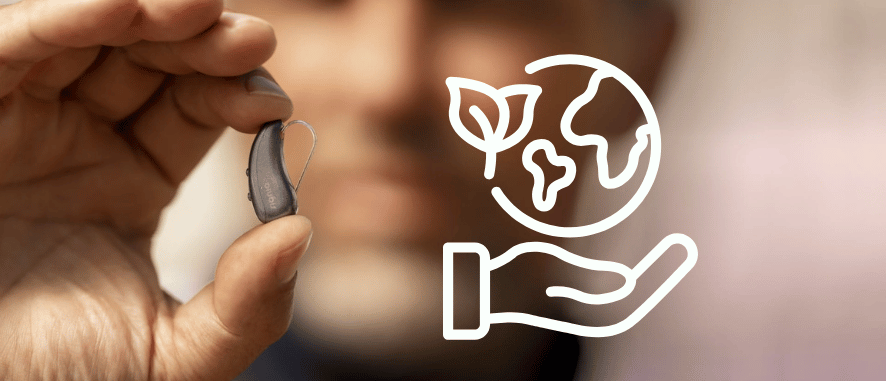
If you care about sustainability, rechargeable
hearing aids are clearly the better choice.
Research shows that lithium-ion rechargeable hearing
aids can reduce environmental impact by 65% compared to similar models that use
disposable batteries. Over the lifetime of your devices, you keep hundreds of
tiny batteries out of landfills.
Traditional batteries, even the modern mercury-free
ones, still create waste. And many users do not know how to dispose of them
properly.
Travel
Considerations
Frequent travellers often prefer
traditional batteries. Why? Because you do not need access to electricity. Pack a
few spare batteries in your bag, and you are covered for weeks. No worrying
about finding a power outlet. No carrying a charging case.
That said, modern rechargeable
options travel well too. Many rechargeable hearing aids now come with portable
charging cases that hold several full charges, just like wireless ear buds. You
can go days or even weeks without needing a wall outlet.
If you travel internationally, check that your charger works with the local voltage. Most modern chargers are universal, but it is worth confirming.
What Does This
Mean for You in 2026?
Here is the honest truth. The hearing aid industry
has shifted heavily toward rechargeable technology. Most premium and mid-range
devices from leading brands like Signia now come in rechargeable versions as
the default option.
But that does not mean traditional batteries are
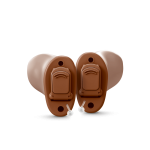
going away. They are still available, especially in basic models and some
custom in-the-ear styles.
Choose rechargeable if:
- You
want the simplest daily routine possible. No battery changes. No carrying
spares.
- You
or a family member has dexterity issues or reduced vision.
- You
live in a humid climate or sweat heavily. The sealed design offers better
protection.
- You
care about long term savings and reducing waste.
- You
already charge your phone and watch every night. Adding hearing aids to that
routine is easy.
Choose traditional batteries if:
- You
travel frequently to places where electricity is not always reliable.
- You
prefer the flexibility of swapping in a fresh battery instantly, no waiting for
a charge.
- You
are buying a basic or entry level model where rechargeable may not be
available.
- You simply prefer the old way of doing things, and it works for you.
What Aanvii
Hearing Recommends
At Aanvii
Hearing, we fit Signia hearing aids across all technology
levels. Most of our patients in 2026 choose rechargeable models, and for good
reason.
The convenience is hard to beat. Place them on the
charger at night. Wear them all day. No fumbling with tiny batteries. No last
minute "my hearing aid just died" moments.
That said, we always listen to your lifestyle before recommending anything. If you travel off-grid frequently, traditional batteries might serve you better. If you have specific concerns about charging access, we can work through those too.
Rechargeable hearing aids have become the standard
for good reason. They offer better convenience, lower long term costs, superior
moisture protection, and a smaller environmental footprint.
But traditional batteries still have their place.
They offer flexibility and instant power without needing an outlet.
In 2026, the choice is not about one being "better." It is about what fits your life. Either way, you are getting modern, capable technology that will help you hear clearly.
Book a Free Hearing Test & Trial at Aanvii Hearing
Still unsure which is right for you? Visit any Aanvii Hearing clinic for a free consultation. Call 96 5839 5839 or visit www.aanviihearing.com to find the location nearest to you.
Better hearing starts with the right choice for your life.
