










How Employees Can Protect Their Hearing in the Workplace
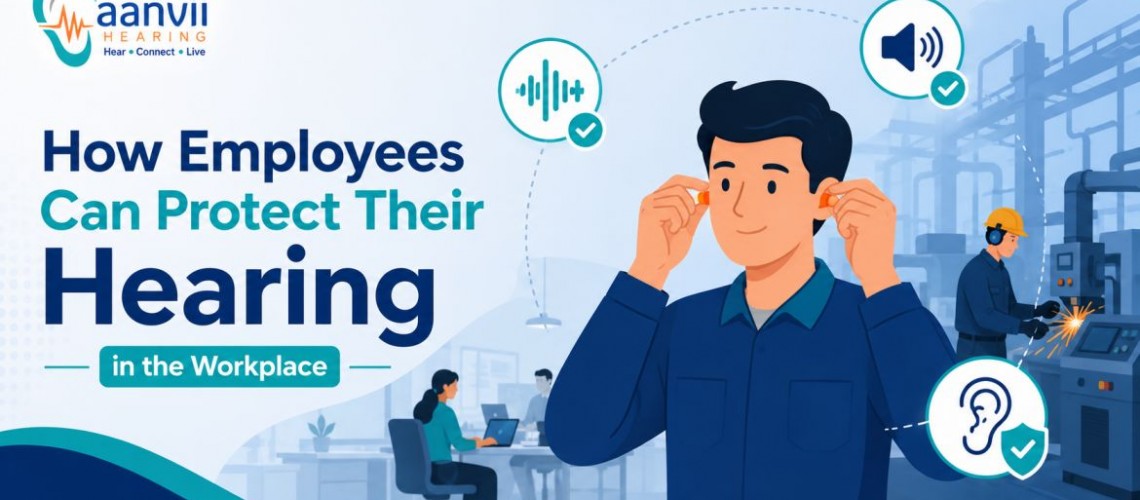
You spend a third of your life at work, roughly 90,000 hours over a lifetime. Now think about this. What if your workplace is slowly damaging your hearing?
You might not notice it at first. A
little ringing in your ear after a long shift. Struggling to hear colleagues
during breaks. Turning up the volume in your car on the drive home.
Noise-induced hearing loss is a
common occupational health issue, but still many employees and employers don’t
take this seriously. This guide explains the risks, your rights, and practical
steps to protect your hearing on the job.
Which Workplaces Put Hearing at Risk?
Any environment where you have to
raise your voice to be heard from an arm's length away is likely too loud. Here
are common high risk workplaces in India.
Manufacturing and factories: Machinery and conveyor belts
often run at 85 to 100 decibels all day.
Construction sites: Jackhammers, concrete cutters,
and power tools create sustained loud noise.
Textile and garment units: Looms and sewing machines run
constantly. The noise is steady and relentless.
Printing presses: High speed presses generate
noise well above safe limits.
Transport and logistics: Truck drivers and baggage
handlers face prolonged engine noise and alarms.
Hospitality and entertainment: Restaurant kitchens, bars, and
concert venues regularly exceed safe levels.
Call centres: Prolonged headset use at high
volume causes its own kind of damage.
Agriculture: Tractors and harvesters expose
farm workers to hazardous noise for months at a time.
If you work in any of these sectors, your hearing is at risk. The good news is that damage is entirely preventable.
Read More: Is Your Job Damaging Your Hearing
How Loud Is Too Loud?
Sound is measured in decibels. Normal
conversation sits around 60 decibels, which is safe. Busy office traffic is
around 70 to 80 decibels this maybe annoying but is not immediately dangerous.
A factory floor or power tools
typically measure 85 to 100 decibels, where damage can occur after eight hours.
A chainsaw or pneumatic drill hits 100 to 110 decibels, causing damage in under
15 minutes. A rock concert or jet engine reaches 120 decibels, where damage can
happen almost instantly.
The rule is simple. If you have to
shout to be heard by someone standing one metre away, the noise level is
hazardous.

What Are Your Rights as an Employee?
Under Indian workplace safety
guidelines, employers have legal obligations to protect workers from hearing
loss. They should provide a noise assessment to measure levels and identify
hazardous areas, hearing protection like earplugs or earmuffs at no cost to
employees, training on the risks of noise exposure, and regular hearing tests
for high risk roles.
If your employer does not provide
these, you have the right to raise the issue.
Practical Steps to Protect Your Hearing at Work
Your employer has responsibilities,
but you can also protect yourself.
Wear hearing protection consistently: Earplugs and earmuffs work only
when you wear them. Keep a pair in your pocket, your locker, and your bag.
Choose the right protection: Basic foam earplugs work for
moderate noise. For very loud environments, ask for custom moulded earplugs or
high quality earmuffs.
Take quiet breaks: Step away from noisy areas for
a few minutes every hour. Even five minutes in a quieter space helps your ears
recover.
Keep volume at safe levels on
headsets: Set your headset volume to 50% or lower and follow the 60/60 rule:
sixty percent volume for sixty minutes, then a break.
Move away from noise sources when
possible: Small adjustments to your workstation location add up over time.
Get your hearing tested regularly: If you work in a noisy
environment, annual check-ups are essential as hearing loss is rarely
noticeable in the beginning.
Watch for early warning signs: Ringing in your ears after work, muffled hearing that clears up after a few hours at home, or difficulty following conversations in the break room are all red flags. Do not ignore them.
What about Office Workers?
If you work in a quiet office, you
might think this guide does not apply to you. Think again.
Open plan offices can be surprisingly
loud with keyboards, phones, conversations, and printers. The background noise
often sits at 60 to 70 decibels, not dangerous by itself. But many office
workers use earphones to block distractions and then crank up the volume to
hear over the office noise. That is where damage happens.
If you use earphones at work, choose
noise cancelling headphones. They block background noise so you do not need to raise
the volume. Keep the volume at 50% or lower and take regular breaks. Remove
your earphones for five minutes every hour.
What Employers Should Do
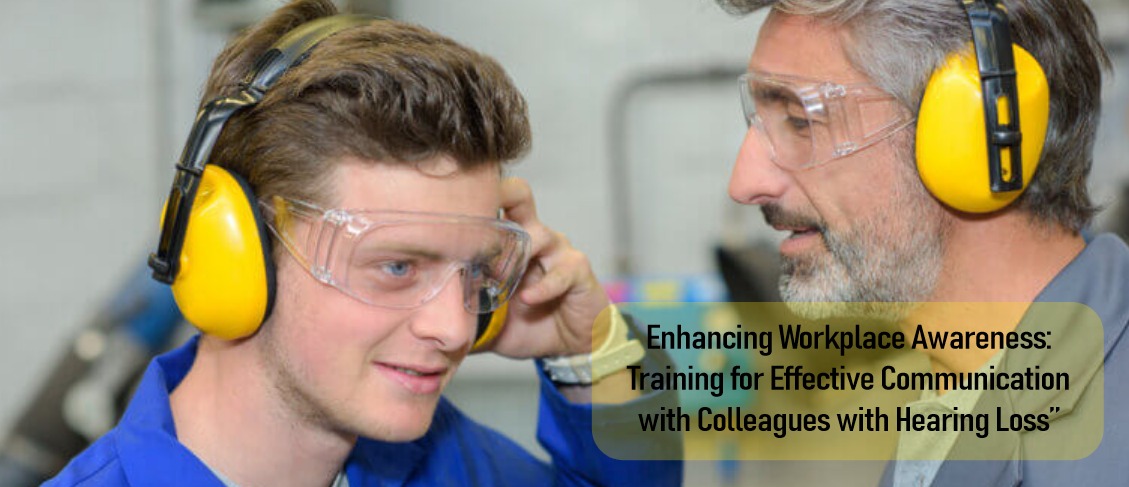
If you are in a position to influence
workplace policies, share these recommendations. Conduct annual noise
assessments. Provide free, high quality hearing protection. Offer annual
hearing tests as part of regular health check-ups. Train employees on proper
use of ear protection. Design quieter workspaces with noise barriers and
acoustic treatment. Create quiet break areas where employees can rest their
ears.
Any investment in hearing protection is far less expensive than workers compensation claims, lost productivity, and employee turnover.
Also Read: What is the Role of Ear Protection in Preventing Hearing Loss In Industrial Settings?
When to See an Audiologist
Your employer has a responsibility to
protect your hearing, but ultimately your ears belong to you. You are the one
who will live with the consequences of hearing loss for the rest of your life.
Wear protection. Take quiet breaks.
Turn down the volume on headsets. Get tested regularly. And speak up if your
workplace is not providing adequate safeguards.
Do not wait until you are struggling
to hear conversations at home. Book a hearing test if you experience ringing or
buzzing in your ears that lasts for hours after leaving work, a feeling of
fullness or muffled hearing after a shift, colleagues telling you that you are
missing parts of conversations, or turning up the television or phone volume
higher than others prefer.
Want to check if your workplace has
affected your hearing? Book a free hearing test at Aanvii Hearing. We offer comprehensive
hearing assessments at all our 87+ clinics across India. Call 96 5839 5839 or
visit www.aanviihearing.com to find the clinic nearest to
you.
