











Common Symptoms of Hearing Loss
Hearing loss rarely announces itself all at once. For most people, it creeps in gradually — so slowly that they barely notice until a family member points it out or they find themselves constantly reaching for the volume button.
We hear this all the time at our clinics. "I did not even realise I was missing so much until I got my hearing test."
Recognising the early warning signs is one of the most important steps you can take to protect your hearing health and quality of life. Whether you are concerned about yourself or someone you care about, understanding what to look for can make all the difference.
Why Early Recognition Matters
The earlier hearing loss is identified, the more effectively it can be managed. Here is something that might surprise you. Many people wait an average of seven years before seeking help after first noticing a problem. Seven years!
During that time, untreated hearing loss can affect your communication, your mental well-being, and even your cognitive health. Getting a hearing test at the right time can prevent these complications from taking hold.
Most Common Symptoms of Hearing Loss

Asking People to Repeat Themselves Again and Again
One of the first and most common sign asking others to repeat what they just said. "What?" "Say that again?" "Can you repeat that?"
If conversations feel incomplete or words seem to trail off mid-sentence, this is rarely about attention. It is usually your auditory system struggling to catch sounds in the speech frequency range. This happens most often in group settings, over the phone, or when there is background noise. If the people around you have started to notice before you have, it is worth paying attention.
Turning Up the Volume Higher Than Others Prefer
Do your family members or colleagues regularly ask you to turn the television down? We see this pattern often. Needing a significantly higher volume than those around you to hear clearly is a strong indicator of hearing difficulty. This pattern builds so gradually that it is easy to overlook — until it becomes a point of friction at home.
Difficulty Following Conversations in Noisy Places

Restaurants. Family gatherings. Open offices. These are the settings where people with early hearing loss struggle the most.
When there is competing background noise, your brain has to work harder to separate speech from everything else. For someone with reduced hearing, this extra effort becomes exhausting, and the words simply do not come through clearly. Audiologists call this the "cocktail party problem." It is one of the most consistent early complaints among people who later receive a hearing loss diagnosis.
Missing High-Pitched Sounds
Many adults experience high- frequency hearing loss. It affects your ability to hear sounds like bird calls, doorbells, and the consonants in words such as "s," "f," "th," and "sh." Women's and children's voices become harder to hear than deeper voices.
A person experiencing this kind of loss may feel they can hear but simply cannot make out what is being said. The sound reaches them, but the clarity does not.
Ringing or Buzzing in the Ears (Tinnitus)

Tinnitus is a condition in which a person experiences persistent ringing, buzzing, or whooshing sound in one or both ears. While tinnitus can occur on its own, it is very often linked to underlying hearing loss.
Here is what happens. Due to damaged auditory pathway, your brain receives fewer signal and hence begins compensating those signals by generating its own internal noise. Tinnitus can range from a mild background hum to a sound disruptive enough to interfere with your sleep and concentration. If you have started noticing it, a hearing evaluation is a sensible next step.
Read more: Can Migraines Really Cause Hearing Loss? The Surprising Connection You Should Know
Difficulty Understanding Speech on the Phone
Phone calls strip away visual cues like lip movement and facial expression. For someone with even mild hearing loss, this suddenly makes conversations significantly harder. Mishearing names, numbers, or instructions over the phone is a common early complaint. Some people begin avoiding calls entirely without fully understanding why.
Feeling Mentally Fatigued After Conversations

Listening fatigue is real, and it is underappreciated. Here is what happens. When your ears are not functioning at full capacity, your brain compensates by using additional cognitive resources to piece together speech. This can leave you feeling unusually drained if you had a busy day.
If conversations that once felt effortless now feel like hard work, then you should get it checked.
Read more: Why Routine Hearing Tests Are Important for Everyone
Symptoms That May Indicate More Sudden or Serious Loss
While age related gradual hearing loss is far more common, some symptoms require urgent attention.
• Sudden loss of hearing in one or both ears, especially upon waking
• A feeling of fullness or blockage in the ear that does not resolve on its own
• Dizziness or loss of balance accompanying hearing changes
• Hearing loss following a head injury, loud noise exposure, or illness
Please take this seriously. Sudden sensorineural hearing loss is a medical emergency. If any of these occur, consult an audiologist or ENT specialist without delay.
When Children Show These Signs

Hearing loss can affect people of any age, including children. In younger ones, the signs often show up differently than in adults, so it helps to know what to look for. You might notice slower than expected speech or language milestones, a child not turning around when called from another room, frequently asking teachers to repeat instructions, setting device volumes much higher than usual, or seeming distracted and unfocused in class.
Catching these signs early makes a real difference. With timely help including hearing aids when needed –– children can improve their communication skills, do better in school, and feel more confident around others.
What Should You Do Next?
Noticing the symptoms is just the beginning. The real step forward is scheduling a professional hearing check.
A qualified audiologist can run a simple, painless hearing test to find out exactly where your hearing stands and what should come next. The whole process takes under an hour, and for many people, it is truly life-changing.
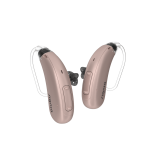
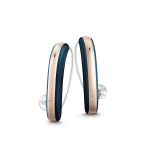
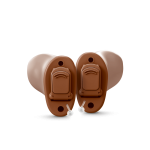
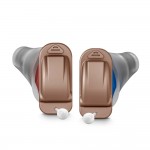
Today's hearing aids are nothing like the ones you might remember. They come in nearly invisible styles, offer rechargeable batteries, stream sound directly from phones, and even use smart AI to manage background noise. They are discreet, comfortable, and designed for real life. With options this good, there is no reason to put off getting help.
Visit Aanvii Hearing Aid Centre and Book your Free Hearing Test

If you or someone you love has been experiencing any of these symptoms, do not wait. A simple hearing test could change everything.
Book an appointment now. Call 96 5839 5839 or visit www.aanviihearing.com .
Aanvii Hearing has 87+ clinics across 21 cities and 8 states, with expert audiologists ready to help you take the first step toward better hearing.
