










How Noise Pollution Affects Your Hearing Health
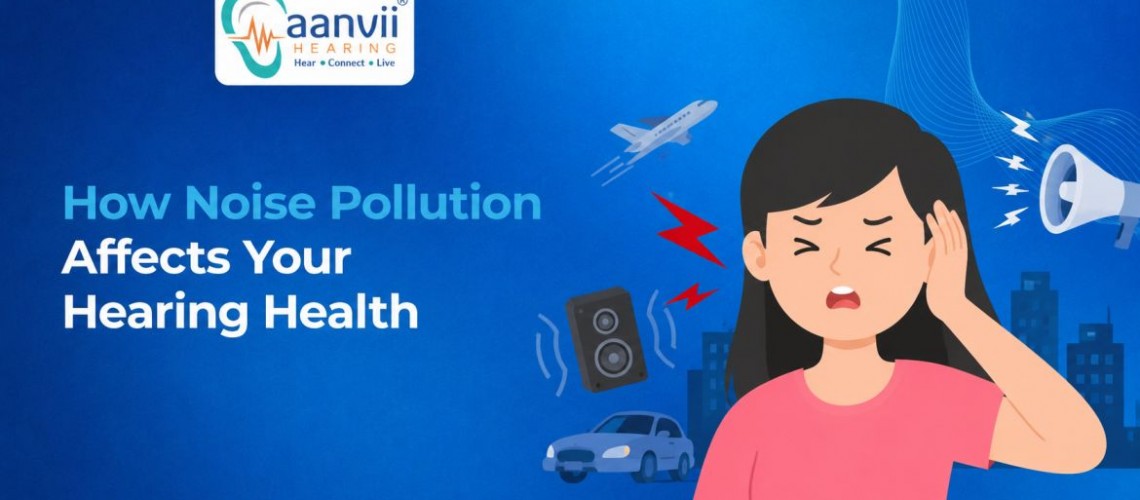
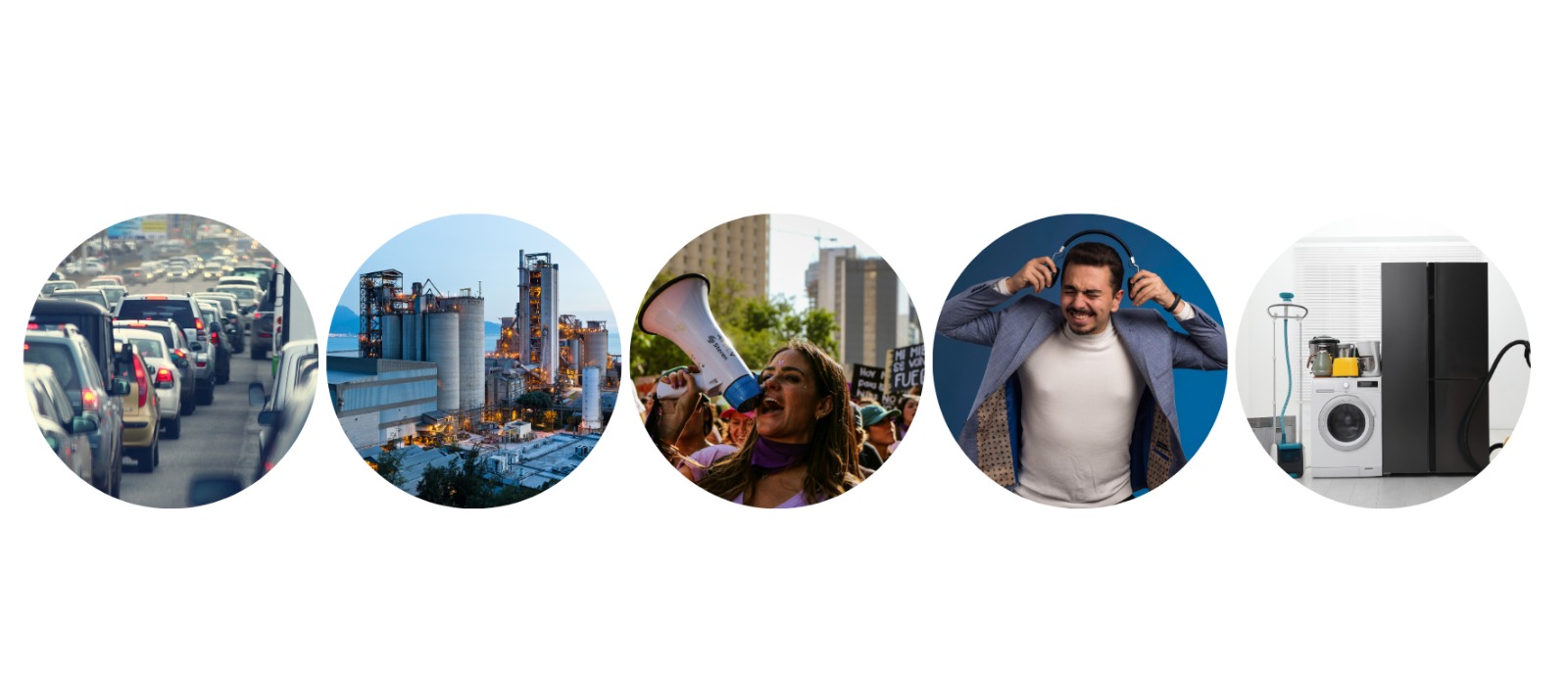
Honking cars, Blaring loudspeakers, Construction drills, The neighbor's television blasting through the wall. If you live in any Indian city, this is your daily soundtrack. You have probably stopped noticing it. It is just background noise now. But your ears have not stopped noticing. They never do.
Noise pollution is not just annoying.
It is damaging. And most people have no idea how much harm it is causing until
it is too late.
What Exactly Is Noise Pollution?
Noise pollution is unwanted sound
that disrupts daily life and can harm your hearing. Not all loud sounds are
noise pollution. A concert is loud, but you chose to be there. Noise pollution
is the sound you did not ask for. The traffic outside your window. The
construction next to your office. The generator running all night.
The World Health Organization calls
noise pollution one of the greatest environmental threats to human health. Most
people think of air pollution or water pollution first. But noise is quietly
causing just as much damage.
How Loud Is Too Loud?
Sound is measured in decibels. Here
is a quick guide:
A normal conversation sits around 60
decibels. Comfortable. Safe.
City traffic hovers between 70 and 85
decibels. This is where damage begins with prolonged exposure.
A honking car horn usually hit 100 to
110 decibels. A construction jackhammer? 120 decibels. A loudspeaker at a
festival? Often over 115 decibels.
Here is the rule you need to remember. Any sound above 85 decibels can damage your hearing if you are exposed to it for long enough. At 100 decibels, damage can start in just 15 minutes. At 120 decibels, damage can happen almost immediately.
Read: What's a Safe Listening Volume?
What Noise Pollution Does to Your Ears
Your ears are delicate instruments.
Inside each ear, thousands of tiny hair cells convert sound waves into
electrical signals for your brain. These hair cells do not grow back once
damaged, they are gone forever.
Loud noise damages these hair cells
slowly over years. First, you lose the ability to hear high pitched sounds.
Consonants like S, F, TH, and SH become hard to distinguish. You can hear
people talking, but you cannot understand what they are saying.
Then the damage spreads.
Conversations in noisy places become impossible. You start asking people to
repeat themselves again and again. You turn the television volume up higher
than everyone else prefers.
By the time you notice the problem,
the damage is already done. That is the cruellest part. Noise induced hearing
loss does not hurt. It does not announce itself. It just steals your hearing
quietly, one decibel at a time.
The Good News: It Is Completely Preventable
Here is the good news buried inside
all this bad news. Noise induced hearing loss is preventable.
Unlike age related hearing loss, which
happens no matter what, noise damage is something you can avoid. You just need
to know what cause it and take precautions to avoid those situations.
But most people do not take them.
Because the damage happens slowly. Because it does not hurt. Because they do
not realise anything is wrong until they have already lost a significant amount
of hearing. Do not let that be you.
The Non Hearing Effects of Noise Pollution
Your ears are not the only things
suffering.
Your stress levels stay elevated. The
body releases cortisol, the stress hormone, in response to loud or
unpredictable sounds. Chronically high cortisol leads to high blood pressure
and heart disease.
Your sleep suffer. Even if you think
that you slept without waking up fully, noise can affect your REM sleep cycle.
Hence, you could wake up feeling tired even after sleeping for 7-8 hours.
Your concentration takes a hit. Your
brain spends energy filtering out noise instead of focusing on the task. That
mental drain adds up over a full day.
Children are especially vulnerable.
Studies show that children growing up in noisy environments have more
difficulty learning to read and often score lower on tests.
Who Is Most at Risk in India?
City residents top the list. Mumbai, Delhi,
Bengaluru, Kolkata, Chennai. These cities routinely record noise levels well
above safe limits.
Two wheeler commuters face a hidden danger. Riding a
scooter or motorcycle through traffic exposes your ears to wind noise, engine
noise, and honking horns all at once.
Factory and construction workers are at extremely high risk.
Daily exposure to machinery noise without proper ear protection almost
guarantees hearing loss.
Musicians and DJs face obvious risks but often
ignore them. Hours of exposure to sounds well above 100 decibels.
Festival goers might not think about it, but a
single loud festival can cause temporary hearing loss. They should try to take
precautions like ear plugs or moving to a relatively quiet place for some time
before going in for concert again.
Signs That Noise Has Already Affected Your Hearing
Pay attention to these signs.
You hear ringing or buzzing in your
ears after leaving a loud environment. That is tinnitus, and it is a warning
sign. Sounds seem muffled for a few hours after a concert or a long commute.
People tell you that you listen to
the television too loudly.
You find yourself saying
"what?" more often than you used to.
If any of these sound familiar, book a hearing test. Not next month. Now.
Read More: Tinnitus: Understanding the Causes and Possible Solutions
How to Protect Yourself from Noise Pollution
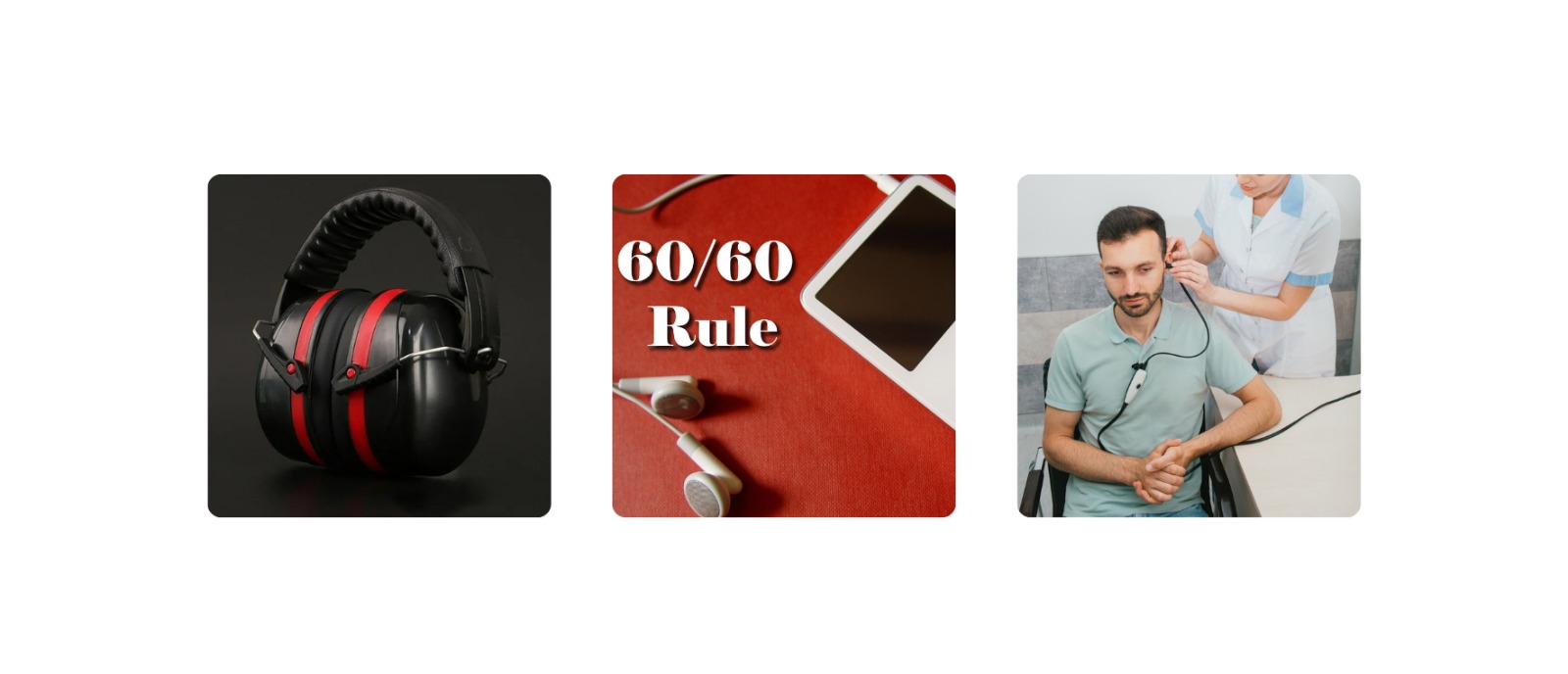
You cannot move to a silent village.
But you can take simple steps.
Use earplugs in loud environments: This is one of the most
effective precaution you can take. A good pair of earplugs costs very little
and reduces noise by 15 to 30 decibels. Keep a pair in your bag and in your
car.
Wear noise cancelling headphones on
your commute: If you take the metro or a bus, noise cancelling headphones allow
you to listen at a safe volume without cranking it up.
Follow the 60/60 rule for personal
devices: Keep your earphone volume at 60% or less. Take a break every 60
minutes.
Give your ears quiet breaks: After exposure to loud noise,
find a quiet spot for 10 to 15 minutes. Let your ears recover.
Get custom earplugs for work: If you work in a noisy
environment, ask about custom fitted earplugs. They are comfortable and far
more effective.
Use sound masking for sleep: If traffic noise keeps you up, try a white noise machine or a fan. The consistent sound masks unpredictable noises.
What about Children?
Children's ears are more sensitive than adults. Keep them away from loudspeakers at festivals. Do not let them use earphones for hours at a time. If your child complains of ringing in their ears after an event, take it seriously.
When to Get Your Hearing Tested
The World Health Organization
recommends a baseline hearing test by age 40. But if you live in a noisy city,
work in a loud environment, or have noticed any warning signs, get tested
earlier.
At Aanvii Hearing, our
hearing tests are painless and take less than an hour. You will leave with a
clear picture of your hearing health.
Noise pollution is not just an
annoyance. It is a public health crisis that most people ignore. By the time
you notice the damage, it is already permanent.
But you can protect yourself.
Earplugs cost less than a cup of coffee. The 60/60 rule takes no effort. Giving
your ears a quiet break after a loud event is simple.
Your hearing is irreplaceable. Do not
wait until you are saying "what?" at every family dinner. Start
protecting your ears today.
Want to check if noise has already
affected your hearing? Book a free hearing test at Aanvii Hearing. Call 96 5839 5839 or
visit aanviihearing.com to find the clinic nearest to
you.
Better hearing starts with protecting what you have.
